
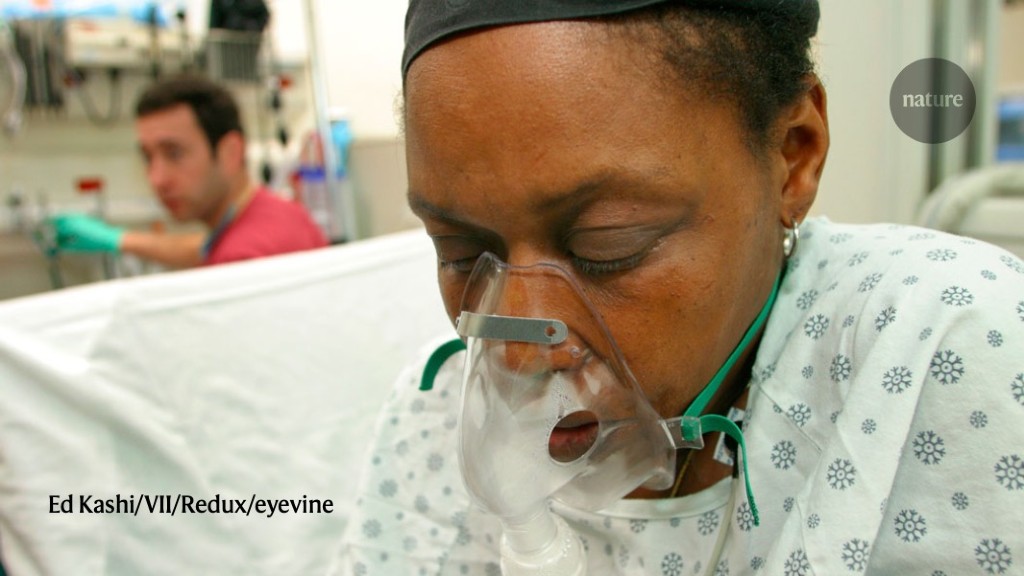
Study reveals rampant racism in decision-making software used by US hospitals — and highlights ways to correct it. An algorithm widely used in US hospitals to allocate health care to patients has been systematically discriminating against black people, a sweeping analysis has found. The study concluded that the algorithm was less likely to refer black […]
Read More
Show Analytics Exchange: Podcasts from SAS, Ep The Health Pulse: AI and Bias in Healthcare – Mar 5, 2021 Data scientist Hiwot Tesfaye joins Greg for a conversation about the use of algorithms in healthcare and how models can introduce bias. They’ll discuss current examples of health care bias, who should be held responsible and […]
Read More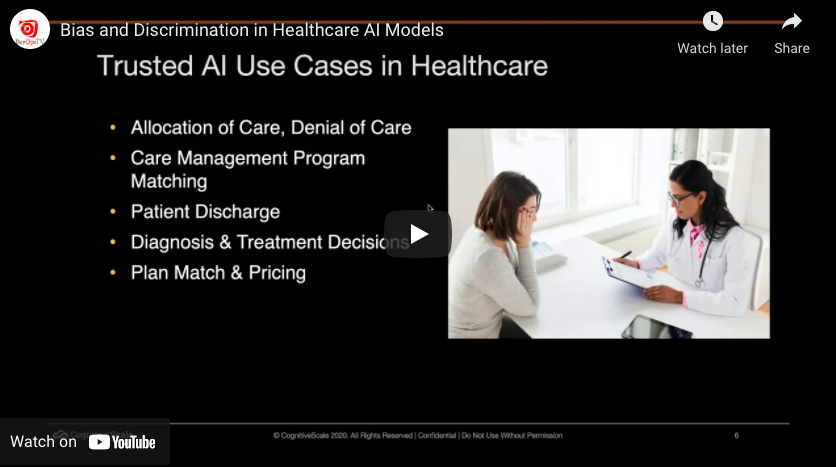
AI is helping healthcare organisations determine care management programs and treatment plans – who gets what care – but these models and algorithms can be biased and introduce discrimination in the allocation or denial of care.
Read More
By Adriana Krasniansky Interest in artificially intelligent (AI) health care has grown at an astounding pace: the global AI health care market is expected to reach $17.8 billion by 2025 and AI-powered systems are being designed to support medical activities ranging from patient diagnosis and triagin… AI-powered systems are being designed to support medical activities […]
Read More
A new article in the Journal of the American Medical Informatics Association points to the dissemination of “under-developed and potentially biased models” in response to the novel coronavirus. This article draws on recent medical research which shows how potentially biased models informing our health care systems have impacted COVID-19. These biased models could exacerbate the […]
Read More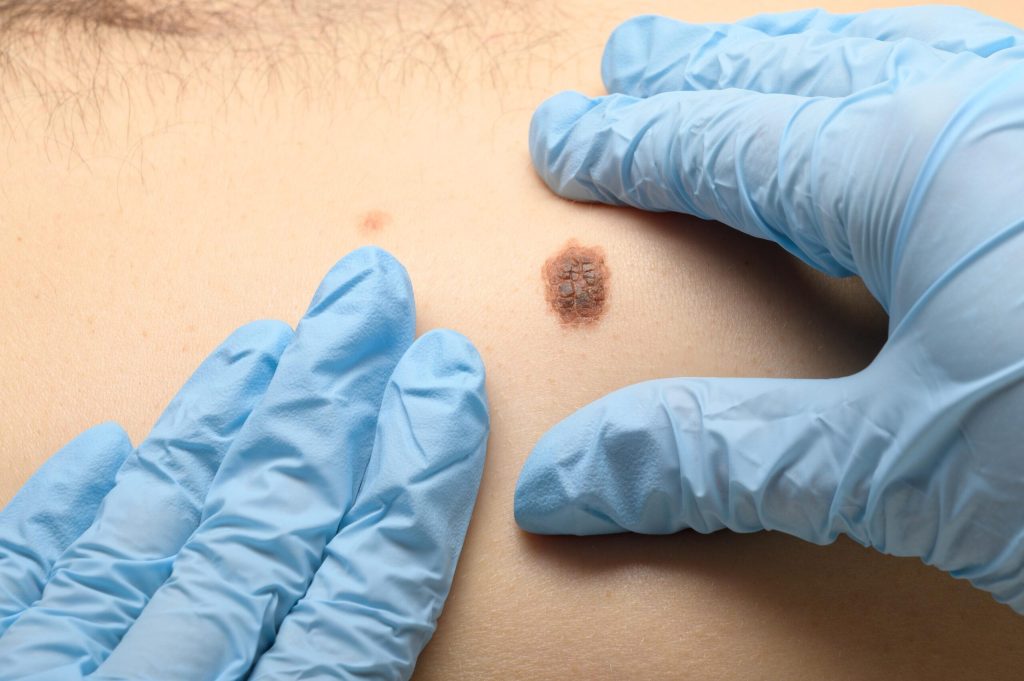
Earlier this week, Google announced the arrival of a new AI app to help diagnose skin conditions. It plans to launch it in Europe later this year. This article discusses mobile apps that aid the self-diagnosis of skin conditions. The apps do intend to be inclusive of all skin types, however, the training data was […]
Read More
By Adriana Krasniansky Interest in artificially intelligent (AI) health care has grown at an astounding pace: the global AI health care market is expected to reach $17.8 billion by 2025 and AI-powered systems are being designed to support medical activities ranging from patient diagnosis and… AI-powered systems are being designed to support medical activities ranging […]
Read More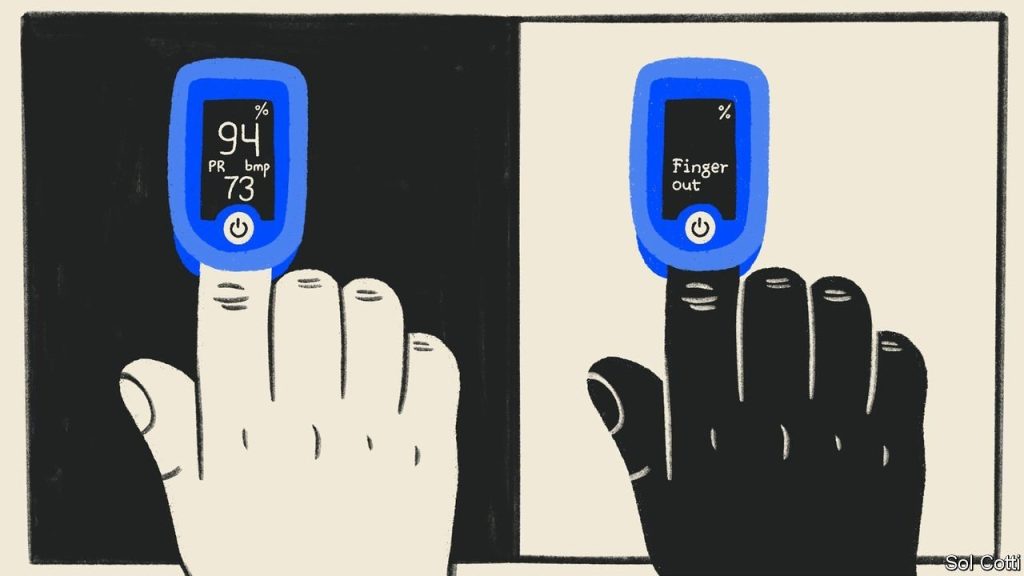
Many devices and treatments work less well for them This article explores how the pulse oximeter, a device used to test oxygen levels in blood for coronavirus patients, exhibits racial bias. Medical journals give evidence that pulse oximeters overestimated blood-oxygen saturation more frequently in black people than white.
Read More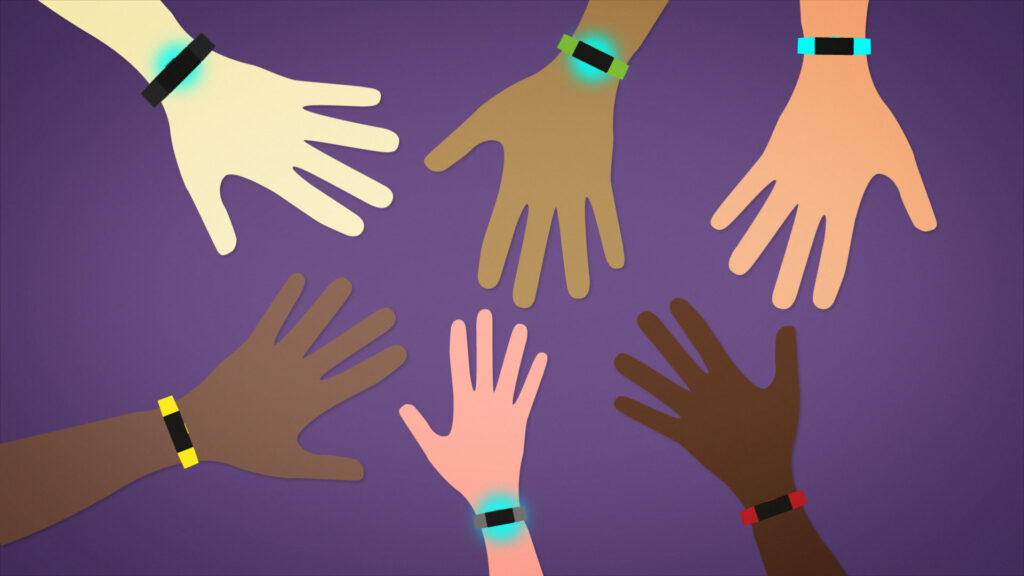
Many popular wearable heart rate trackers rely on technology that could be less accurate for consumers who have darker skin, researchers, engineers and other experts told STAT. An estimated 40 million people in the US alone have smartwatches or fitness trackers that can monitor heartbeats. However, some people of colour may be at risk of […]
Read More
New research shows that AI models designed for health care settings can exhibit bias against certain ethnic and gender groups. Machine learning models for healthcare hold promise in improving medical treatments by improving predictions of care and mortality, however their black box nature, and bias in training data sets leaves them vulnerable to instead hinder […]
Read More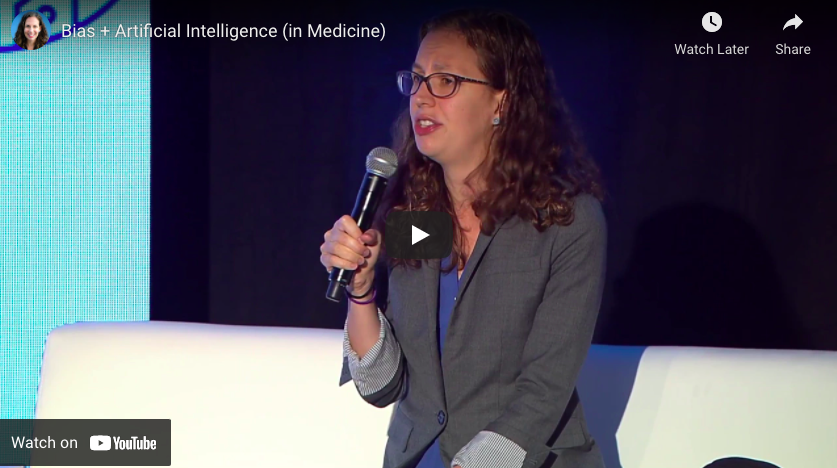
Talk by Rachel Thomas on the prevalence of bias within AI-based technology used in medicine. AI has the potential to remove human biases in the healthcare system, however its integration within medicine could also amplify the existing biases.
Read More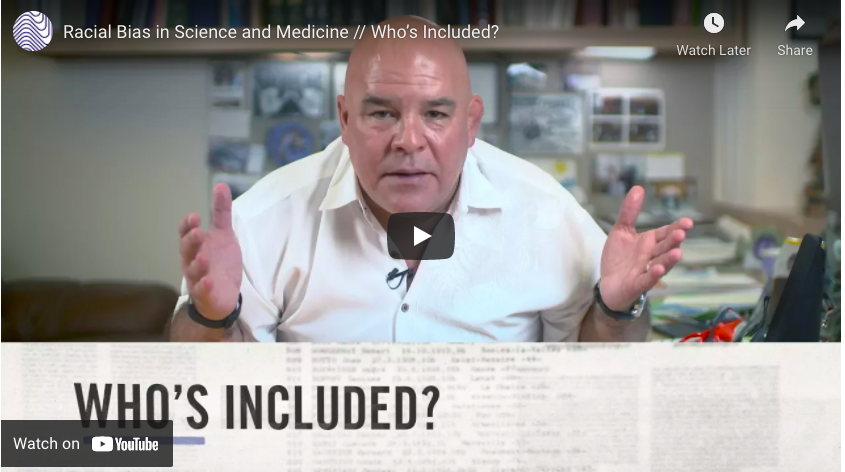
A short video examining the lack of inclusion within clinical biomedical research, and the consequence this has on the effectiveness of the treatments and medicines for non-white patients. Lack of research on minority patients means that we do not understand the racial differences in drug response, and so approved medical treatments are excluding a huge […]
Read More