
In an opinion piece by a University Librarian, he claims that millions of algorithmically proctored (invigilated) tests are happening every month around the world, increasing exponentially during the pandemic. In his experience algorithmic ‘proctoring’ reinforces white supremacy, sexism, ableism, and transphobia, invades students’ privacy and is often a civil rights violation.
Read More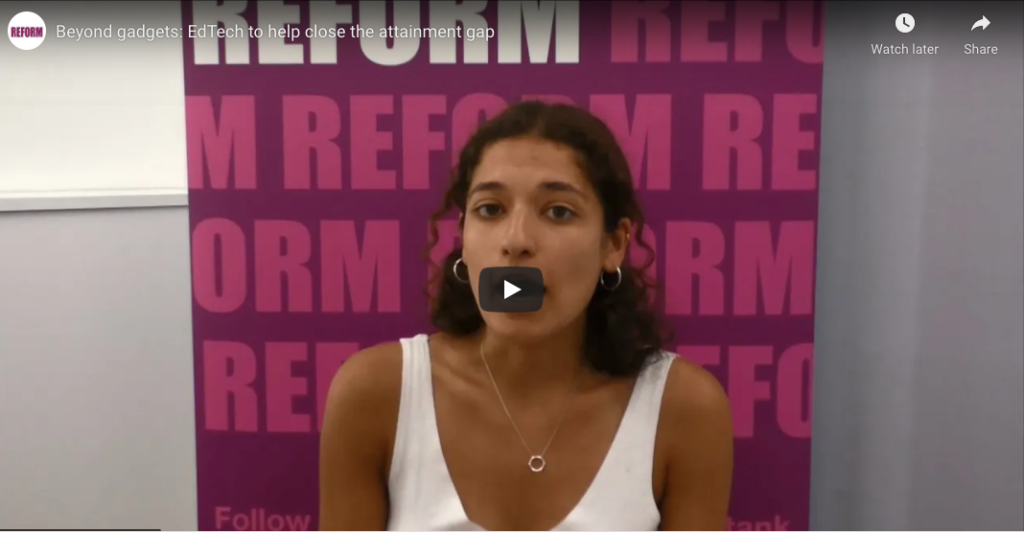
A video overview of a report advocating for the use of edtech, or education technology, which includes many AI solutions, in order to close the “Opportunity Gap” between marginalised and “mainstream” pupils.
Read More
Weighing up the huge potential of voice recognition technology to gain insights into children’s language and reading development, against a difference of 16% in misidentified words between white and black voices.
Read More
This article looks at the global shortage of teachers and how AI might be used to supplement and provide lacking education, and argues that it could be less biased than teachers, thereby resolving inequity.
Read More
This article considers the various ways AI can be used during the pandemic to boost virtual learning, focusing on Chinese company Squirrel AI who are reporting good results with computer tutors and personalised learning, and weighing up the risks, such as surveillance of Muslim Uighurs in Xinjiang.
Read More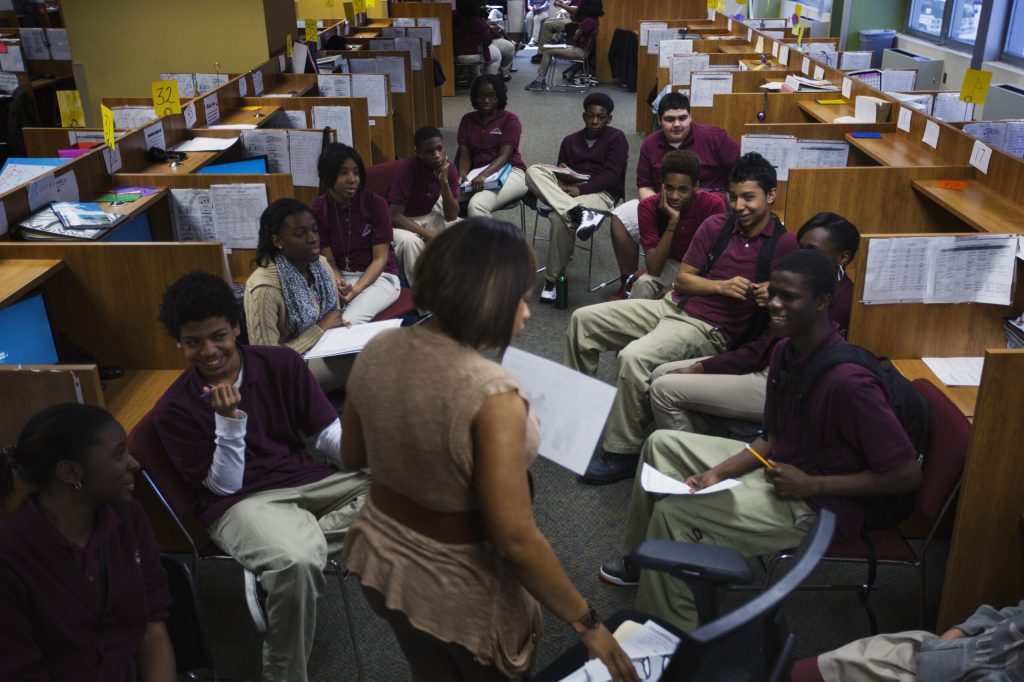
This article looks at what issues may arise for children from minority and underprivileged communities from replacing teachers with AI.
Read More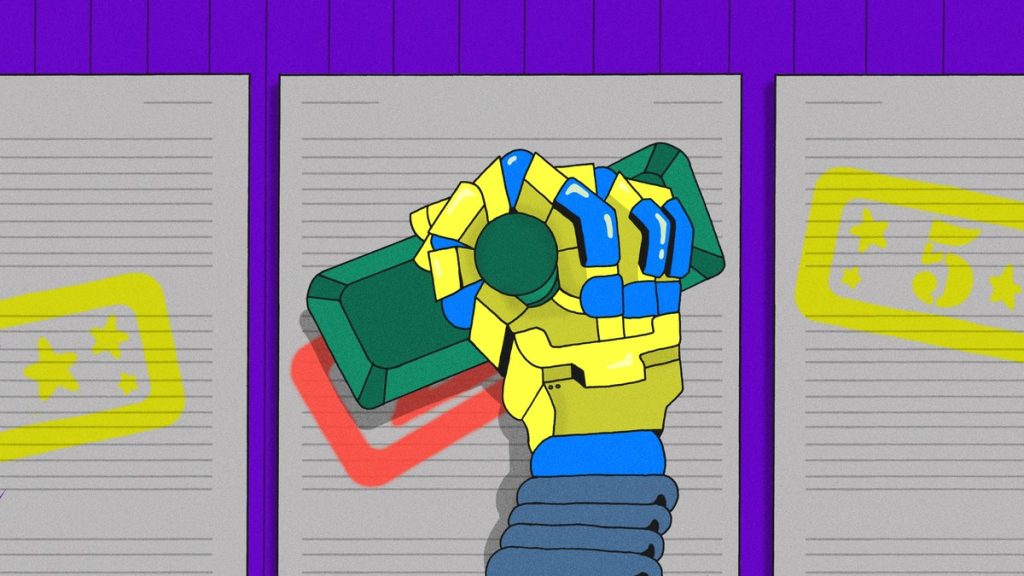
Automated essay grading in the US has been shown to mark down African American students and those from other countries.
Read More
This short article gives an example of how predictive algorithms can penalise underrepresented groups of people. In this example, students from Guam had their pass rate underestimated versus other nationalities, because of the low number of students in the data set used to build the prediction model, resulting in insufficient accuracy.
Read More
An article detailing how AI might change admissions in terms of the process, the consequences and how students from some countries could be at risk of bias.
Read More