
Technology has never been colourblind. It’s time to abolish notions of “universal” users of software. This is an overview on racial justice in tech and in AI that considers how systemic change must happen for technology to be support equity.
Read More
As protests against police brutality and in support of the Black Lives Matter movement continue in the wake of George Floyd’s killing, protection against mass surveillance has become top of mind. This article explains how make-up can be used both as a way to evade facial recognition systems, but also as an art form.
Read More
There’s software used across the country to predict future criminals. And it’s biased against blacks. This is an article detailing a software which is used to predict the likelihood of recurring criminality. It uses case studies to demonstrate the racial bias prevalent in the software used to predict the ‘risk’ of further crimes. Even for […]
Read More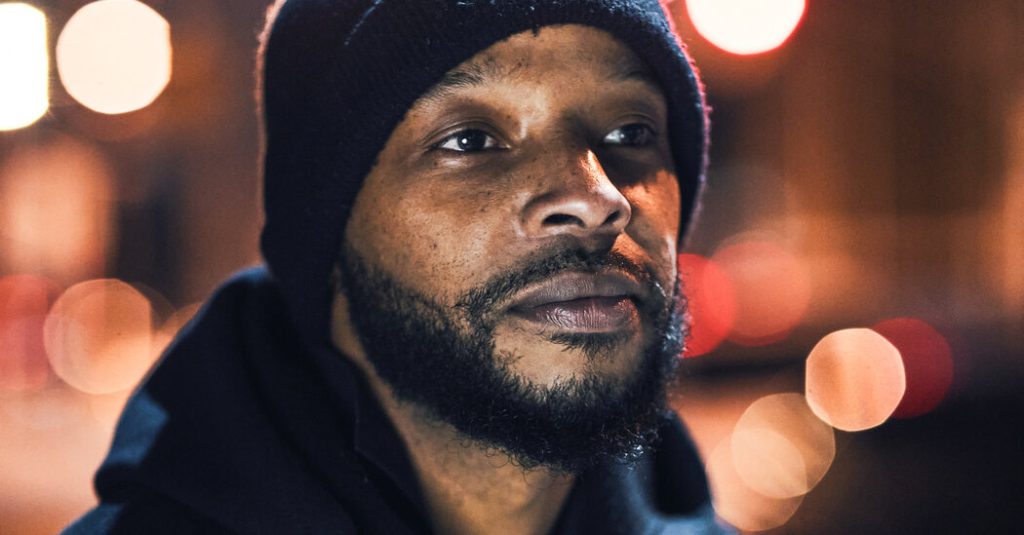
A New Jersey man was accused of shoplifting and trying to hit an officer with a car. He is the third known black man to be wrongfully arrested based on face recognition.
Read More
The creators of the Apprise app share how they created a system assist workers in Thailand to avoid vulnerable situations. Forced labour exploiters continually tweak and refine their own practices of exploitation, in response to changing policies and practices of inspections.The article showcases efforts to create AI tools that predict changing patterns of human exploitation. […]
Read More
Computer scientists must identify sources of bias, de-bias training data and develop artificial-intelligence algorithms that are robust to skews in the data. The article raises the challenge of defining fairness when building databases. For example, should the data be representative of the world as it is, or of a world that many would aspire to? […]
Read More
Over the past six years, the New York City police department has compiled a massive database containing the names and personal details of at least 17,500 individuals it believes to be involved in criminal gangs. The effort has already been criticized by civil rights activists who say it is inaccurat… The New York police department has […]
Read More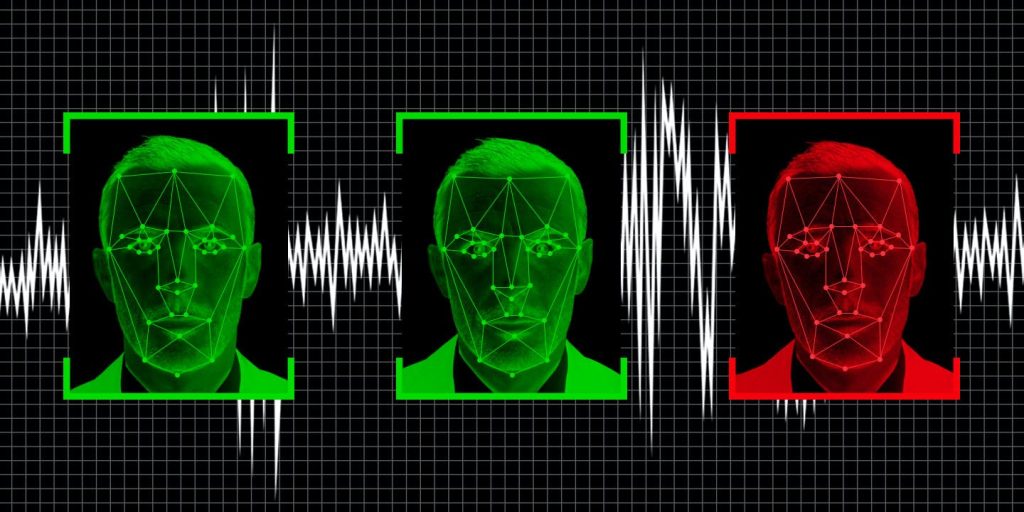
4.5 million euros have been pumped into the virtual policeman project meant to judge the honesty of travelers. An expert calls the technology “not credible.” IBorderCtrl’s lie detection system was developed in England by researchers at Manchester Metropolitan University. It claims that its virtual cop can detect deception by picking on the micro gestures the […]
Read More
Sophisticated computational techniques, known as machine-learning algorithms, increasingly underpin advances in business practices, from investment banking to product marketing and self-driving cars. Machine learning—the foundation of artificial intelligence—portends vast changes to the private sect… This article highlights the benefits of artificial intelligence in adjudication and making law in terms of improving accuracy, reducing human biases […]
Read More
The impact of AI on litigation. The current use of AI in reviewing documents, predicting outcome of cases and predicting success rates for lawyers. This article highlights concerns about fallibility and the need of human oversight.
Read More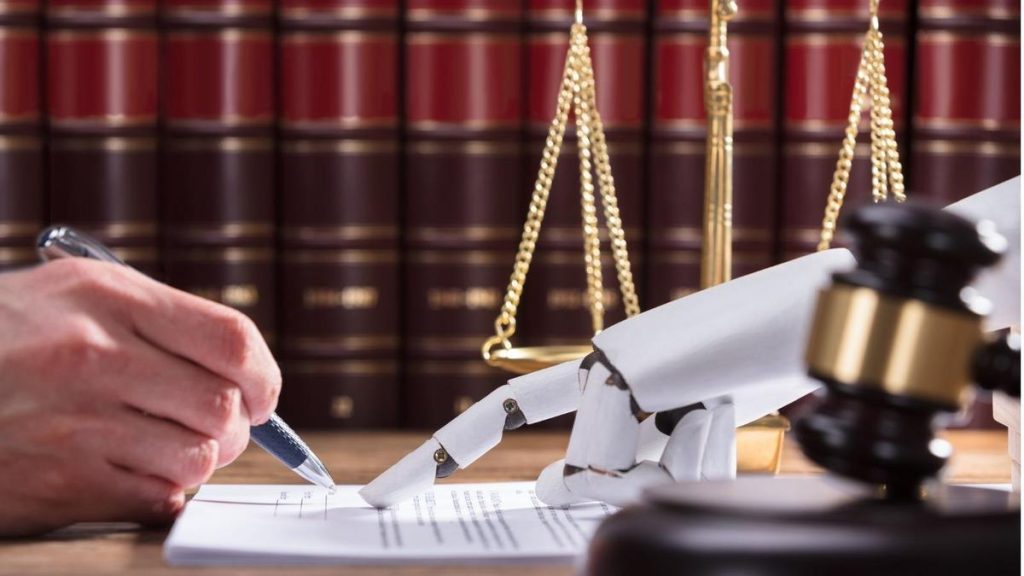
We examine the impact of artificial intelligence on the UK’s legal sector
Read More
Law Society partner and equity crowdfunding platfrom Seedrs explains how developments within AI are taking law firms and solicitors to the next level. A article on how AI can be used in adjudication and law in general. It highlights that although AI has vast potential, there is not a broad adoption so far.
Read More
In their zeal and earnest desire to protect individual privacy, policymakers run the risk of stifling innovation. The author makes the case that using facial recognition to prevent terrorism is justified as our world is becoming more dangerous every day; hence, policymakers should err on the side of public safety.
Read More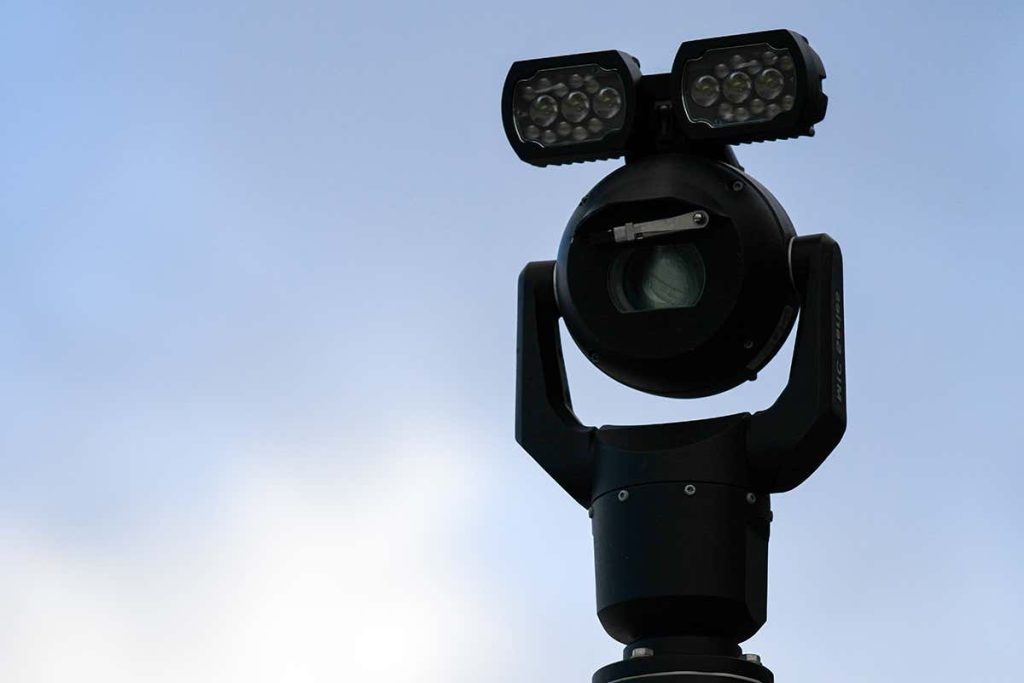
The UK Court of Appeal has determined that the use of a face-recognition system by South Wales Police was “unlawful”, which could have ramifications for the widespread use of such technology across the UK. The UK Court of Appeal unanimously decided against a face-recognition system used by South Wales Police.
Read More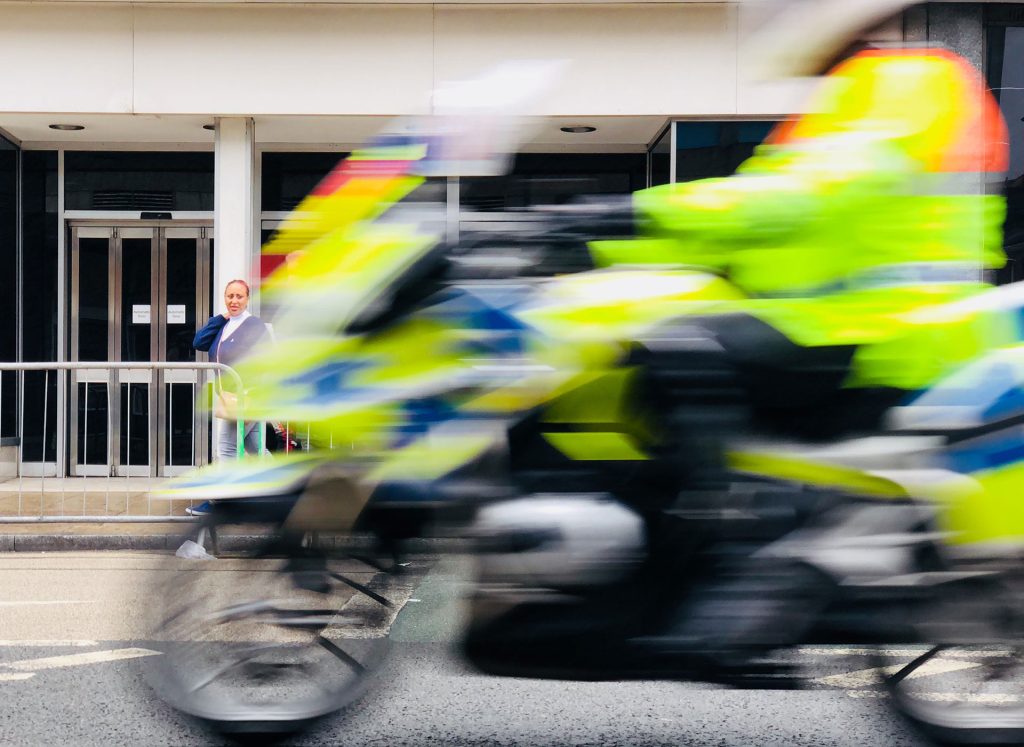
UK police forces are largely adopting AI technologies, in particular facial recognition and predictive policing, without public consultation. This article alerts about UK police using facial recognition and predictive policing without conducting public consultations. It also calls for transparency and input from the public about how those technologies are being used.
Read More